Understanding the Split AC Unit: Basics for Homeowners
As homeowners seek efficient and effective ways to maintain comfortable living environments, the split ac unit has emerged as a popular choice. These versatile systems offer an efficient cooling solution for any home, combining advanced technology with ease of use. In this comprehensive guide, we will explore the fundamental aspects of split AC units, their benefits, challenges, and how to choose the right unit for your specific needs.
What is a Split AC Unit?
A split AC unit, also known as a ductless air conditioning system, consists of two main components: an outdoor condenser unit and one or more indoor air-handling units. Unlike traditional HVAC systems that rely on ductwork to distribute air throughout the home, split AC units deliver cool air directly into the rooms they serve. This design allows for greater control over the temperature in individual spaces, making them an ideal solution for multi-zone cooling.
A Brief History of Split AC Technology
The split AC unit was first introduced in Japan in the 1980s, revolutionizing the way consumers approached home cooling. Traditional air conditioning systems were often bulky and inefficient, requiring extensive ductwork that detracted from a home’s aesthetics. The introduction of the split AC design allowed homeowners to achieve a cool and comfortable environment without the need for cumbersome ductwork, paving the way for greater energy efficiency and design flexibility.
Key Components of a Split AC Unit
- Outdoor Unit: Contains the compressor, condenser coil, and fan, responsible for expelling heat from the indoor environment.
- Indoor Unit: Features the evaporator coil and fan, which circulate cool air throughout the room.
- Refrigerant Lines: Carry refrigerant between the indoor and outdoor units, facilitating heat exchange.
- Thermostat: Allows users to set desired temperatures and control the system’s operational modes.
Benefits of Choosing a Split AC Unit
Split AC units present numerous advantages that make them a compelling choice for homeowners. From energy efficiency to aesthetic appeal, these systems cater to modern living requirements with ease.
Energy Efficiency and Cost Savings
One of the primary benefits of split AC units is their exceptional energy efficiency. Many modern models utilize inverter technology, which adjusts the compressor speed according to the cooling demands of the space. This not only reduces energy consumption but can lead to significant cost savings on utility bills over time.
Enhanced Comfort and Temperature Control
Split AC units offer precise temperature control, allowing homeowners to set individual room temperatures based on their preferences. This flexibility means that multiple indoor units can cater to different zones in a home, enhancing overall comfort without unnecessary energy expenditure.
Space-Saving Design and Aesthetics
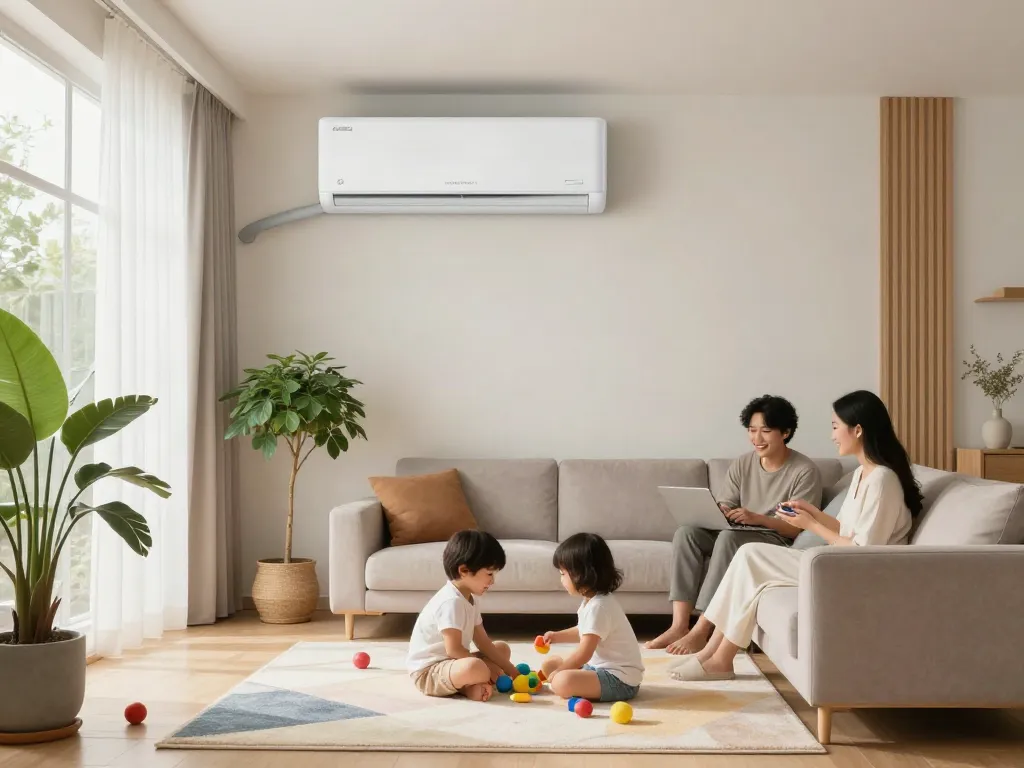
Unlike conventional air conditioning systems that often require bulky ductwork, split AC units boast a sleek and unobtrusive design. The indoor units are available in various styles, including wall-mounted, ceiling-mounted, or compact floor units, ensuring homeowners can maintain the aesthetics of their spaces while enjoying effective cooling.
Common Challenges with Split AC Units
Despite their numerous advantages, split AC units may present certain challenges that homeowners should consider before making a purchase.
Installation Considerations and Costs
Installing a split AC unit can be more complex than traditional systems, primarily due to the need for securing both the indoor and outdoor components. Homeowners can expect installation costs to vary based on the number of indoor units and the specifics of their property. Engaging a qualified HVAC technician for installation is essential to ensure the system operates efficiently.
Maintenance Tips for Optimal Performance
Regular maintenance is key to the longevity and efficiency of split AC units. Homeowners should prioritize cleaning or replacing air filters monthly, ensuring optimal airflow and air quality. Additionally, scheduling annual professional maintenance checks can help identify potential issues early, preventing costly repairs down the line.
Common Misconceptions About Split AC Units
Many homeowners harbor misconceptions regarding split AC units, such as concerns about noise and efficiency. However, contemporary models are designed to operate quietly, making them suitable for bedrooms and other quiet spaces. Moreover, their energy efficiency ratings often surpass those of window units, making them a superior choice for cooling.
Choosing the Right Split AC Unit for Your Needs
Selecting the ideal split AC unit involves careful consideration of various factors to ensure optimal cooling for your space.
Evaluating BTUs for Different Room Sizes
The British Thermal Unit (BTU) rating of an AC unit determines its cooling capacity. Homeowners must calculate the appropriate BTUs based on room size, ceiling height, and the room's exposure to sunlight. For example, a small room may require a unit with a rating of 6,000 BTUs, while larger spaces may need units rated at 18,000 BTUs or more.
Types of Split AC Units: What to Consider?
There are various types of split AC units to consider, including single-zone and multi-zone systems. Single-zone systems are suitable for cooling a specific room, while multi-zone systems can efficiently cool several rooms simultaneously, making them ideal for larger homes.
Comparing Popular Brands and Models
When evaluating different brands and models, homeowners should consider factors such as warranty, energy efficiency ratings, and customer reviews. Notable brands include Mitsubishi, Daikin, and Fujitsu, each offering a range of options tailored to different cooling needs.
Future Trends in Split AC Technology for 2026
The HVAC industry is evolving rapidly, with new technologies enhancing the capabilities and efficiency of split AC units.
Integration with Smart Home Systems
As smart home technology becomes increasingly popular, many split AC units are now compatible with smart home systems. Homeowners can control their units remotely through smartphones, enabling real-time temperature adjustments and energy monitoring.
Emerging Energy-efficient Innovations
Future advancements in split AC technology are expected to enhance energy efficiency further, including features like variable refrigerant flow systems that optimize energy use based on occupancy patterns and external temperatures.
Environmental Considerations and Regulations
Regulatory measures aimed at reducing greenhouse gas emissions are influencing the design and functionality of new split AC models. As manufacturers adapt to these regulations, consumers can expect units that not only provide effective cooling but also contribute to sustainability efforts.
What are the Benefits of a Split AC Unit?
In summary, the benefits of choosing a split AC unit extend beyond mere cooling. These systems offer energy efficiency, precise temperature control, and aesthetic flexibility, making them a contemporary choice for homeowners looking to enhance their living spaces.
How to Maintain a Split AC Unit Effectively?
Effective maintenance practices, such as regular filter replacements, professional inspections, and keeping the outdoor unit clear of debris, are essential for ensuring the longevity and efficiency of split AC units.
What is the Cost of Installing a Split AC Unit?
Installation costs for split AC units can range significantly based on several factors, including unit type, installation complexity, and local labor rates. Homeowners should budget anywhere from $1,500 to $5,000 for a complete installation, depending on their specific needs.
How Long Does a Split AC Unit Last?
With proper maintenance, a split AC unit can last between 15 to 20 years. Regular inspections and timely repairs are key to extending the lifespan of these systems.
Are Split AC Units Noisier than Traditional Units?
Modern split AC units are known for their quiet operation, making them a favorable option for noise-sensitive environments. Unlike traditional window units that can be loud and disruptive, split systems feature advanced technology designed to minimize noise levels during operation.