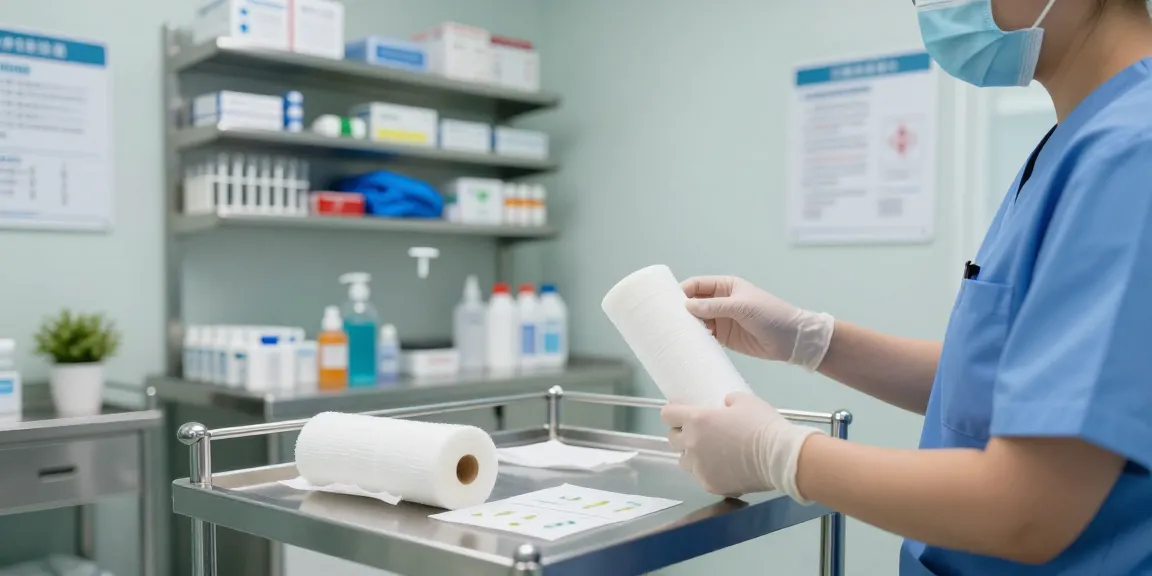
Understanding Medical Gauze and Its Applications
Medical gauze is an essential component in the healthcare landscape, widely recognized for its versatility and effectiveness in wound care. As a form of fabric that is both breathable and absorbent, medical gauze plays a critical role in protecting wounds and aiding the healing process. When exploring options, medical gauze provides comprehensive insights into various applications, types, and best practices that are indispensable for medical professionals and caregivers alike. This article aims to explore the dimensions of medical gauze, encompassing its applications, the importance of quality, best practices for usage, technological advancements, and frequently asked questions.
What is Medical Gauze?
Medical gauze is a thin, woven fabric made from cotton or other materials designed for medical use. Its primary characteristic is its porous nature, which allows for air circulation around a wound, fostering a conducive environment for healing. Often available in various sizes, shapes, and thicknesses, gauze is commonly used in both hospital and home settings to manage a range of wounds, from minor cuts and abrasions to more significant surgical incisions.
Types of Medical Gauze Available
Medical gauze can be categorized into several types, each tailored for specific medical applications:
- Plain Gauze: This is the simplest form, primarily used for coverage and absorption.
- Sterile Gauze: Packaged under sterile conditions, these are critical for use in surgical settings to minimize infection risk.
- Non-Adherent Gauze: Designed to prevent sticking to wounds, facilitating easier removal and less trauma to the tissue.
- Absorbent Gauze: Heavily woven to absorb more exudate, making it suitable for more significant wounds that produce substantial fluid.
- Gauze Roll: Perfect for larger areas or long-term use, allowing for versatility in wound dressing.
- Gauze Sponges: Used during surgeries or for cleaning wounds, sponges provide additional space for absorption and handling.
Key Uses of Medical Gauze in Healthcare
Medical gauze is utilized across various medical scenarios:
- Wound Dressing: The primary function of medical gauze is to dress wounds, protecting them from contaminants and facilitating healing.
- Post-Surgical Care: Often used in hospitals to cover incision sites after surgical procedures.
- Absorbing Exudate: Gauze is crucial in absorbing bodily fluids, ensuring a cleaner and safer healing environment.
- Providing Pressure: In cases of bleeding, gauze can be applied with pressure to help control bleeding.
- Facilitating Medication Delivery: Gauze can be used to deliver topical medications directly to a wound.
The Importance of Quality in Medical Gauze
The quality of medical gauze significantly influences patient outcomes. High-quality gauze ensures proper absorption, minimizes risk of infection, and supports effective healing. Understanding the critical factors that define quality is essential for healthcare providers and caregivers.
How Quality Affects Patient Outcomes
Quality medical gauze can drastically affect the healing process. Gauze that is too coarse may irritate the wound, while gauze that lacks adequate absorbency may lead to maceration of the surrounding tissue. Studies have shown that using high-quality gauze products correlates with reduced infection rates and improved healing times.
Standards and Regulations for Medical Gauze
Regulatory bodies, such as the Food and Drug Administration (FDA) in the United States, set stringent standards for medical devices, including gauze. Compliance with these regulations ensures that medical gauze products are safe for patient use and made from suitable materials. Knowing these standards can help healthcare professionals make informed choices when selecting gauze products.
Identifying High-Quality Medical Gauze Products
When sourcing medical gauze, consider the following criteria to identify high-quality products:
- Material Composition: Look for 100% cotton or other clinically approved materials that are soft and non-irritating.
- Absorption Rate: High-quality gauze should have significant absorbent properties without falling apart when wet.
- Sterility: Ensure that the gauze is available in sterile packaging, especially for surgical and advanced wound care.
- Certifications: Check for compliance with ISO standards or other relevant medical regulations.
Best Practices for Using Medical Gauze
Proper usage of medical gauze is vital to maximize its benefits in wound care. Following best practices can help minimize complications and enhance healing.
Proper Techniques for Application
Before applying gauze, it’s important to follow these guidelines:
- Clean Hands: Always wash hands with soap or use hand sanitizer before handling gauze.
- Assess the Wound: Evaluate the wound type and select the appropriate gauze size and absorbency.
- Layering: For larger wounds, multiple layers of gauze may be necessary to ensure adequate absorption.
- Secure with Tape: Use hypoallergenic tape to secure gauze in place, ensuring it is snug but not overly tight.
Common Mistakes to Avoid with Medical Gauze
Several common errors can undermine the efficacy of gauze in wound management:
- Using Non-Sterile Gauze: Always opt for sterile gauze for open wounds to prevent infection.
- Inadequate Dressing Changes: Change the gauze regularly, especially if it becomes saturated, to maintain a clean healing environment.
- Applying Gauze too Tightly: Ensure that gauze is applied snugly but not restrictively, which can impede circulation.
How to Store and Maintain Medical Gauze
Proper storage of medical gauze is critical for maintaining its integrity:
- Cool, Dry Place: Store gauze in a cool, dry environment away from moisture and direct sunlight.
- Seal Packaging: Ensure that gauze remains sealed until use to maintain sterility.
- Check Expiration Dates: Regularly inspect gauze for expiration dates and replace as necessary.
Innovations in Medical Gauze Technology
The landscape of medical gauze is evolving, driven by advancements in materials and technology. Understanding these innovations can help healthcare professionals stay at the forefront of wound care.
Emerging Materials and Designs for 2026
With advancements in technology, new materials are being developed that enhance the performance of medical gauze. For instance, gauze infused with silver or honey has antimicrobial properties that prevent infection while promoting faster healing. Additionally, bioengineered gauze designed to mimic natural tissues is gaining traction.
The Role of Technology in Enhancing Medical Gauze
Technologies such as 3D printing are beginning to play a role in the production of gauze, allowing for custom-sized and shaped dressings tailored to individual patient needs. Moreover, smart technologies that monitor wound conditions through gauze are also emerging, enabling proactive care.
Future Trends in Gauze Usage in Medical Settings
As we move toward 2026, the use of medical gauze is expected to expand beyond traditional applications. Trends include:
- Personalized Medicine: Tailoring gauze products to the specific needs of patients based on individual wound characteristics.
- Integration with Digital Health: Connectivity features offering doctors insights into wound healing progress via mobile apps.
- Sustainable Practices: An emphasis on eco-friendly materials and manufacturing processes in gauze production.
FAQs About Medical Gauze
What is the difference between gauze and other bandaging materials?
Gauze is typically more breathable than other bandaging materials like adhesive bandages or films. It’s designed for coverage and absorption, while other materials may serve specific functions like waterproofing or cushioning.
Can medical gauze be used for all types of wounds?
While medical gauze is versatile, it is essential to choose the right type of gauze for different wounds. For example, non-adherent gauze is preferable for sensitive wounds, while absorbent gauze is suitable for heavily exuding wounds.
How often should you change gauze on a wound?
Gauze should be changed when it becomes saturated with fluids or if it shows signs of contamination. Regular changes often depend on the nature of the wound, typically every 12 to 24 hours.
Is medical gauze sterile or can it be reused?
Medical gauze is usually sold in sterile packaging for use on open wounds. Once used, it cannot be reused and should be disposed of properly to avoid infection risks.
What are the best practices for disposing of used medical gauze?
Used gauze should be placed in a sealed plastic bag before being disposed of in the trash. This minimizes exposure to bodily fluids and helps maintain hygiene.