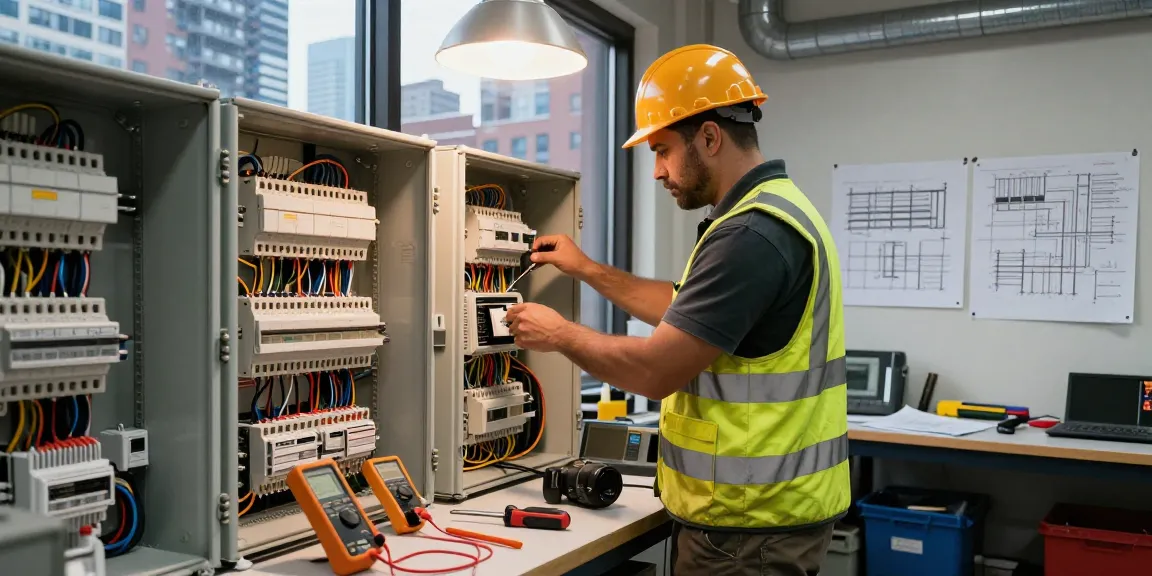
Understanding the Role of Electrical Contractors in Toronto
In the vibrant city of Toronto, the demand for skilled electrical services continues to rise as both residential and commercial spaces evolve. Electrical contractor toronto play a pivotal role in ensuring the safety, efficiency, and functionality of electrical systems. These professionals not only handle installations and repairs but also provide expert guidance in compliance with local regulations and safety standards.
What is an Electrical Contractor?
An electrical contractor is a firm or individual that performs electrical work, primarily in the construction or renovation of buildings. They may take on projects ranging from simple residential wiring to complex commercial installations. In Toronto, where the electrical code is strictly enforced, hiring a licensed electrical contractor ensures that your electrical system is safe, reliable, and up to code.
Importance of Licensing and Certification
Compliance with local laws and regulations is crucial when it comes to electrical work. Licensed electrical contractors in Toronto must meet specific training and educational requirements, ensuring they are equipped with the knowledge necessary to perform safe electrical installations. This licensing also provides peace of mind to homeowners and business owners, knowing that their electrical contractor adheres to industry standards.
Key Services Offered by Electrical Contractors
- Residential Electrical Services: This includes installations, repairs, upgrades, and inspections of home electrical systems.
- Commercial Electrical Services: Contractors may handle larger projects, including maintenance and installation of electrical systems in commercial buildings.
- Electrical Maintenance: Routine maintenance helps prevent costly repairs and ensures systems operate safely.
- Emergency Electrical Services: Quick response to electrical failures to prevent hazards.
Common Electrical Issues Faced by Homeowners
Homeowners in Toronto may encounter various electrical issues that require the attention of a qualified electrical contractor. Understanding these common problems can help you identify when it’s time to seek professional assistance.
Identifying Electrical Hazards
Electrical hazards can create significant safety risks in your home. Common signs include flickering lights, frequent circuit breaker trips, and outlets that feel warm to the touch. These issues often indicate underlying electrical problems that could lead to fire hazards or equipment failures.
Signs Your Home Needs an Electrical Upgrade
As homes age, electrical systems may become outdated and unable to handle modern demands. Signs that your home may need an upgrade include:
- Constantly blown fuses or tripped breakers.
- Insufficient outlets for current needs.
- Old wiring that may not meet current safety codes.
Understanding Emergency Electrical Services
Electrical emergencies can happen at any time, often requiring immediate attention. Some common emergencies include power outages, exposed wires, or electrical fires. Knowing how to respond and having a trusted electrical contractor available for emergency situations is essential for homeowner safety.
Choosing the Right Electrical Contractor in Toronto
Selecting the right electrical contractor can be a daunting task, but following specific guidelines can help simplify the process. It’s vital to consider their credentials, experience, and reputation.
What to Look for in an Electrical Contractor
When evaluating potential electrical contractors, consider the following factors:
- Licensing and Insurance: Ensure the contractor is licensed in Ontario and carries liability insurance.
- Experience: Look for contractors with a proven track record in projects similar to yours.
- Customer Service: Communication is key; choose a contractor who is responsive and willing to answer your questions.
Evaluating Quotes and Services Offered
Obtaining detailed quotes from multiple contractors can help you assess pricing and service offerings. It’s essential to understand what is included in these quotes to avoid any hidden costs later on. Look for transparency and clarity in proposed services.
Importance of Customer Reviews and Recommendations
Customer reviews can provide insight into a contractor’s reliability and quality of work. Websites like HomeStars and Yelp can be helpful in researching feedback from previous clients. Additionally, personal recommendations from friends or family can guide you to trustworthy professionals.
Best Practices for Electrical Safety in Your Home
Maintaining electrical safety in your home can prevent accidents and ensure the longevity of your electrical system. Implementing best practices is essential for all homeowners.
Routine Maintenance and Inspections
Regular inspections by an electrical contractor can identify potential issues before they become severe problems. Routine maintenance tasks such as checking circuit breakers, outlets, and wiring can help ensure everything is functioning correctly and safely.
Installing Safety Devices: A Must for Homeowners
Safety devices like smoke detectors, carbon monoxide detectors, and ground fault circuit interrupters (GFCIs) can greatly enhance home safety. Installing these devices in strategic locations can provide an added layer of protection against electrical hazards.
DIY vs. Hiring a Professional Electrician
While some electrical tasks may seem manageable as DIY projects, it is often safer and more efficient to hire a professional electrician. Mistakes in electrical work can lead to severe safety risks, including fires and electrocution. An experienced contractor can ensure the work is done correctly and safely.
Future Trends in Electrical Contracting and Home Technology
As technology evolves, so do electrical contracting practices. Staying informed about trends can help homeowners make better decisions regarding their electrical systems.
Smart Home Integration and Electrical Upgrades
Smart home technology is increasingly prevalent, leading to a greater need for electrical upgrades. Homeowners may choose to integrate systems that allow for automation and remote control of home devices, which requires specific wiring and network configurations.
Renewable Energy Solutions and Their Impact
With an increasing focus on sustainability, many homeowners are integrating solar panels and other renewable energy sources into their homes. Electrical contractors must be knowledgeable about these technologies to provide proper installation and maintenance services.
The Rise of Electric Vehicles and Charging Stations
As electric vehicles (EVs) become more common, the demand for home charging stations is growing. Electrical contractors will play a crucial role in helping homeowners install and maintain these systems safely and efficiently.
How Much Do Electricians Charge in Toronto?
The cost of hiring an electrician in Toronto can vary based on several factors, including the type of service required and the contractor’s experience. As of 2026, hourly rates typically range between $90 and $130. It’s essential to get a detailed estimate before proceeding with any work.
What Should I Expect During an Electrical Inspection?
During an electrical inspection, the contractor will assess your entire electrical system, including wiring, circuit breakers, and safety devices. They will check for compliance with code, identify any hazards, and provide recommendations for improvements or repairs.
Are Electrical Contractors Insured?
Yes, reputable electrical contractors should carry liability insurance to protect against accidents and damage during work. Always ask for proof of insurance before hiring a contractor to ensure you are protected.
How Long Does Electrical Work Typically Take?
The duration of electrical work can vary widely based on the complexity of the project. Simple repairs may take only a few hours, while larger installations or upgrades could take several days to complete. Discuss timelines with your contractor during the quote process.
What Are the Benefits of Hiring a Local Electrical Contractor?
Employing a local electrical contractor in Toronto has several advantages, including familiarity with local codes and regulations, quicker response times for emergencies, and supporting the local economy. A local contractor is more likely to build lasting relationships with clients and be invested in their community.